Understanding the Protests, Housing Crisis, and How to be a Better Guest
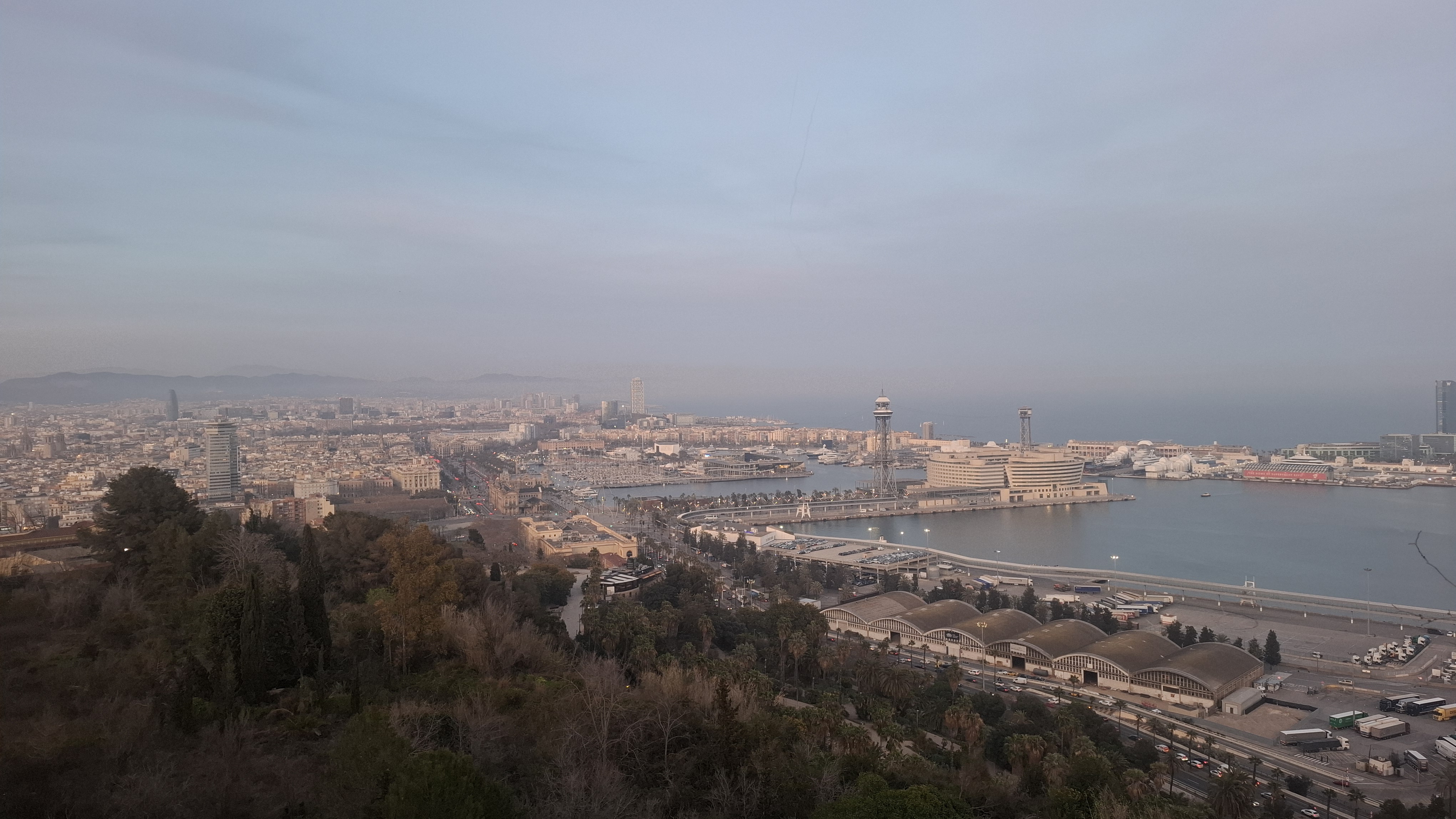
Why would anyone not want to visit Barcelona? A sunny city where you will be sauntering through winding alleyways, stopping by quaint markets, and hanging out in bars bustling with fellow patrons. As you head on, enveloped by the imposing architecture, your plans for heading to the golden beach, taking a day trip to appreciate the surrounding natural beauty, and a night out return to mind. You spot a cute café, lit up by the adoring sunlight. How lovely to be perched in a cosy corner, finally only having to worry about what to do next.

So why are some advising us not to visit?
When a city becomes associated with banners, graffiti, and now hire cars all asking for ‘tourists to go home’, it makes us think, should we be visiting in the first place? Because Barcelona has experienced a drastic increase in tourism, with 16 million visitors last year, it’s no wonder that things are feeling a little crowded.
I am not here to answer that one. Whether heading there was the responsible thing to do or not, I visited, and I’m not claiming to be perfect. And in reality, the consequences of tourism, and the systems fueling it, cause more problems than the mere presence of travellers.
This is the first in a series of posts about Barcelona. Today I will be discussing what’s caused the situation, and the following posts will be more travel-oriented.
Is tourism changing Barcelona for the worse?
Or in other words, what are the real reasons behind the water fights in Gaudí’s playground?

Changed ‘Feel’ of the city:
The increase in tourism and digital nomads has noticeably changed how the city feels for many residents. Many areas have become teeming with tourists, including around Park Güell. Additionally, many businesses popular with the community have been replaced by tourism outlets. Many residents now avoid areas they used to enjoy visiting.
Struggles with accessibility:
As some places become less pleasant, others are literally less accessible. Sometimes it’s harder to eat out. Other times, it applies to public transport, including routes that many elderly residents depend on.
Local businesses being priced out:
A decline in demand, coupled with rising rents, has pushed many out. Many of these have historic and cultural significance, which has further contributed to feelings that the culture is being washed away.
People getting priced out:
People getting priced out: Living costs, particularly housing costs, have risen sharply in recent years. This has caused some to be evicted, while others, particularly young people, have moved away.
What many are likely more annoyed about; hint, it’s not directly about you.
An interview highlighted that residents are more frustrated with housing costs than with tourists. Because of rising housing costs, many have been forced to rent instead. Rents have risen even faster than house prices, meaning some people are now spending 47% of their income on rent. The rise in short-term rentals has exacerbated this issue, as it is more profitable to rent to short-term visitors.
But isn’t tourism good for Barcelona’s Economy?
In 2023, tourism contributed 9.6 billion Euros to Barcelona’s economy, accounting for 12.6% of Barcelona’s GDP and ‘directly’ employing 130,000 people. However, many of these jobs are seasonal, meaning that half of those who work in tourism are on temporary contracts. This, of course, means that the work is precarious and many workers are less likely to receive ‘stable benefits and protections’.
Tourism brings a good amount of money to Barcelona. But we should also ask, where exactly is the money going? What’s spent on locally run businesses will likely benefit people. But who benefits when some of it goes to foreign chains and wealthy landlords?

Is anyone doing anything?
In recent years, the government has enacted and will continue to enact changes to control housing prices and manage tourism.
Rent controls:
In 2024, rent controls were introduced to curb rising rents. However, average prices listed on some platforms continued to rise, likely because this policy didn’t apply to short-term rentals. Simultaneously, the supply of new contracts has fallen. So whilst rentals are gradually becoming more affordable, they are less easy to come by.
Banning short-term rentals by 2028:
Short-term rentals in Barcelona will be phased out by 2028. This looks like good news, though landlords can still switch to mid-term rentals, which apply to leases lasting more than 30 days. Consequently, short-term residents, including digital nomads, may be prioritised instead.
Tourism tax:
The tourism tax was introduced in 2012 to improve the city for both tourists and locals, and it will continue to increase next year.
Local amenities:
The government has recently increased spending on local amenities.
Are tourists to blame?
No. I think it’s natural for us to want to visit places that we have heard about and that look appealing. After all, what control do we have over the profit motives of landlords and large chains, and over the complex issues facing a place?
Can tourists do anything about this?
If we are aware, there are small but significant things we can do to have a better impact on the places we visit. I would say this applies more strongly to long-term travellers (including me) and digital nomads, because we have the privilege of staying away from home for longer than the average tourist.
Supporting local businesses, being mindful of those around us, and staying in locally run hostels/hotels are good steps toward travelling more responsibly. I will be talking more about this in my next post.
FAQs:
1. Why have there been protests against tourism in Barcelona?
Residents are unhappy with the impact of tourism on Barcelona. This includes substantial changes in the city coupled with drastic rent increases.
2. Why is it so expensive to rent in Barcelona?
The causes of high rents in Barcelona are multifaceted, and I certainly haven’t covered them all here. Although the rise in short and mid-term rentals to accommodate tourists and digital nomads has exacerbated the problem.
3. Is tourism good for Barcelona’s economy?
Tourism is a major contributor to Barcelona’s GDP and job market. Although many of these jobs are seasonal, they limit workers’ rights and stability.
4. Should tourists visit Barcelona?
This question is up for debate. Personally, I think it’s possible for tourists to travel ‘responsibly’ in Barcelona.
5. How can tourists travel responsibly in Barcelona (teaser for the next post)
Supporting local businesses, travelling during the off-season, being wary of social media ‘trends’, and remembering that Barcelona is a big city that houses workers and families are a good starting point.
Thank you for reading today’s post. It was pretty nerdy, although the following posts on Barcelona will be more fun and travel-focused. Remember to subscribe so you don’t miss out on these.
Finally, have you visited Barcelona? If so, what were your experiences of the city like?

Leave a Reply