
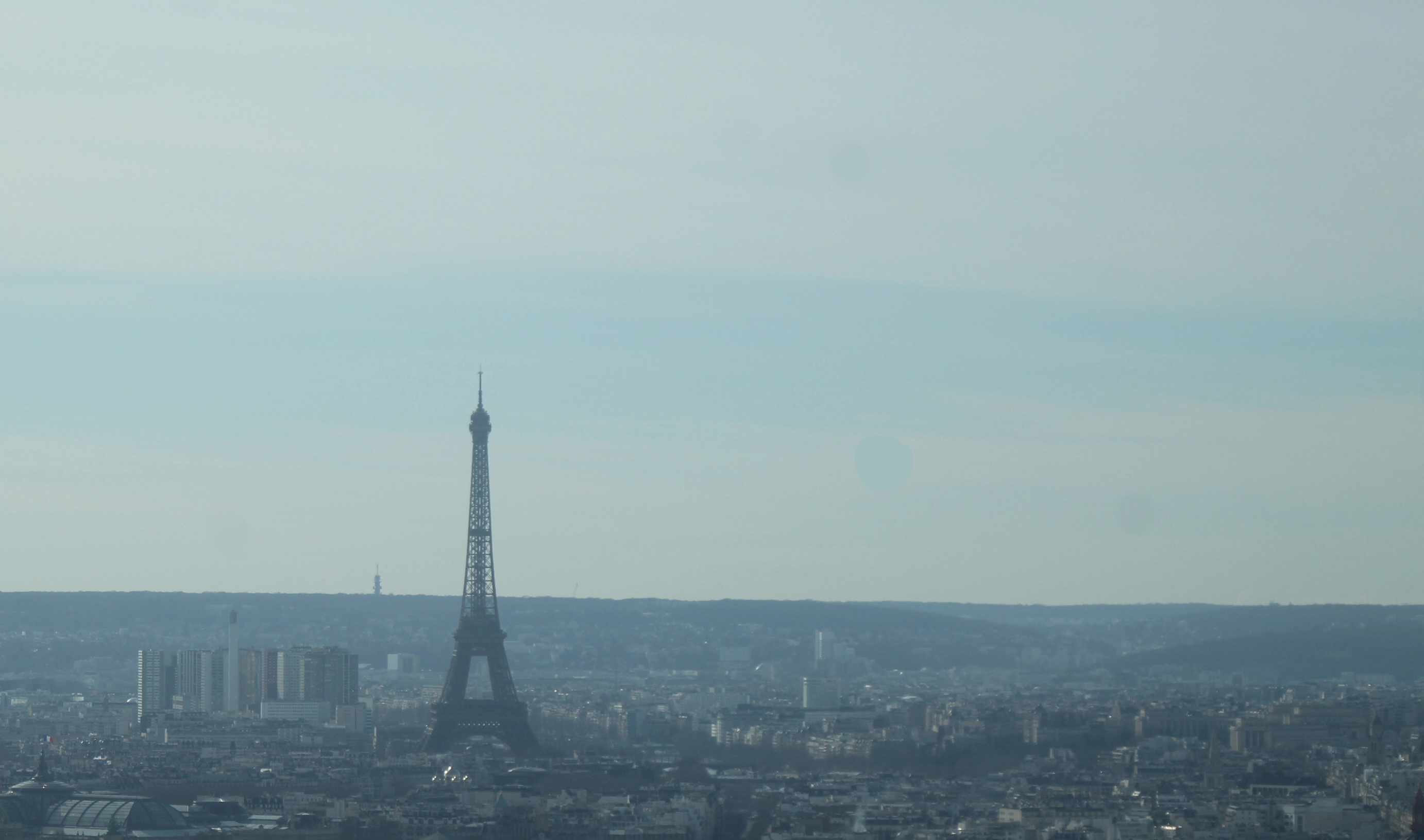
Paris is one of the most visited cities in Europe, unsurprisingly given its aesthetic appeal, prestige, and accessibility. The more surprising news is that you can still enjoy Paris on a budget.
In my previous post about Paris, I addressed some common concerns about personal experience and responsible travel. Today, I want to share some tips on how to travel affordably and adopt a slower pace, even in a busy city.

How to Save Money in Paris:
One of the biggest setbacks to travelling in more expensive parts of Europe is the cost. I am fortunate because, thanks to my currency advantage, many places I visit are comparatively affordable. Although the UK, alongside many other places, has experienced a rise in living costs. Meaning that travelling affordably has become a higher priority.
You’ll be surprised after realising how much money you can save by spending smartly and enjoying the free things to do, which include some of their main attractions.
Stay in one of their nicer, independently run hostels:
As someone who likes staying in independently owned accommodations, there are plenty of exquisite boutique hotels in Paris. Private rooms start at around £100 a night, although their prices can rocket to over £1000!
Instead, I stayed at the Fraternity Hotel, which offers a mix of dorms and private rooms. All the staff were friendly, I enjoyed the ambience, and they had a delicious breakfast (lots of French carbs, which can be good). The price of a dorm starts at just over £30 a night, and a private room costs around £100. Although many slots for the spring and summer are already fully booked, wherever you stay, book in advance.
Avoid the restaurants that are close to landmarks:
Locals will say the same thing. Not only will you be paying twice the price, but you’ll also be getting food that’s usually about half as good. If you plan on having a really nice meal, do your research. There are plenty of places that offer exceptional cuisine at affordable rates. If you’re mainly in Paris for the sights, then just walk ten minutes away from them to find somewhere that’s decent. Paris is also filled with local bakeries, markets, and street food. These are much more affordable than eating out.
Visit during off-peak season:
In the summer, Paris will be more crowded and expensive. I visited in February, and although the weather was very British, it didn’t really bother me. There are plenty of indoor activities, and whilst this is common sense, just take an umbrella.
Use Public Transport:
For a single journey, the metro, bus, and tram are just €2.55. I mainly used the metro. It was very frequent, reliable, and easy to navigate. You can purchase a Navigo Easy Card either physically at the machines or via the app.
Consider interrailing, and then visit somewhere after:
To help your trip go further, consider getting an Interrail pass. Usually, you pay a lump fee, meaning that each journey works out much cheaper. An Interrail pass gives you plenty of options. There are plenty of places near Paris to visit, and you can also travel anywhere in Europe. Just ensure you book seat reservations in advance.
Plan ahead:
All of the above require some level of planning.
Key Takeaways:
- Book accommodation a few months in advance.
- Book interrailing seat reservations in advance (applies to many routes in Europe)
- Navigate the public transport on arrival. It’s good practice.
The same applies to the free attractions. They get booked up very quickly, particularly those that are only free at certain times.
Free things to do in Paris:
Whether you love visiting museums, neighbourhoods and parks, or miscellaneous spots, there are plenty of free things to do in Paris.

Free museums and attractions in Paris:
The Notre-Dame:
Situated on one of the River Seine’s prominent islands, the Notre-Dame is pretty difficult to miss. Admissions are free all year round, although you can pay for a guided tour if you wish to learn more about the Cathedral. I just turned up and queued. Although I am sure it gets much busier, so to ensure you can get in, book a time slot in advance.
Petit Palais:
The permanent exhibits are free, although you still need to pay to see the temporary ones. Some people qualify for half-price discounts, including students and people under 26.
Musee Bourdelle:
Another fantastic free museum, again, free on all days. It is dedicated to the famous sculptor Antoine Bourdelle, and so is a must for those interested in ceramic art.
The Louvre:
Did you know that the Louvre is free on the first Friday of the month, apart from in July and August. Whether you aim to visit in those slots or go at any time, book plenty of time! Sadly, I missed out on the Louvre for that reason…
Personally, I would use the free slots only if I intend to spend a significant amount of time at the Louvre. Tickets are limited, and I’m sure many tourists and locals alike may only be able to visit on these days.
Musee d’Orsay:
The Musée d’Orsay is free on the first Sunday of each month, although it is again essential to book in advance. Under-25s from the EU or long-term residents also receive free entry.
Other museums and attractions:
Paris offers a whole range of other free, less-visited museums and attractions. Perfect for those seeking free activities and opportunities to avoid the worst of the crowds. There is a wide range for those interested in art, craft, culture, history, antiques, literature, and even aerospace!

Parks and Gardens in Paris:
Whether you are looking for somewhere to chill in the city centre, or want a quieter break from the city. There are plenty of parks in Paris, and some are certainly attractions in their own right.
Luxembourg Gardens:
Luxembourg Gardens is probably one of the most well-known parks in Paris, and for good reason, considering its proximity to the city centre, its fascinating sites, and the flowers that bloom in springtime.
Close to Montparnasse, the River Seine, and the Musée d’Orsay, it is a perfect place to relax between sightseeing and shopping.
Parc Monceau:
It’s a little more tucked away and popular with locals. The peaceful atmosphere, combined with the picturesque lake and the carousel, makes it the perfect place for a walk, a book, and lots of photos. Given that it’s less of a touristy place, be mindful when taking photos.
Parc Des Buttes-Chaumont:
Although there are plenty of other parks in Paris, Parc Des Buttes was the final park on my ‘list’. I was enticed by the astonishing views both within the park and further afield. Unfortunately, I didn’t have time to visit, but if you’re looking for a slower afternoon in Paris, I would recommend going to Parc des Buttes.
Miscellaneous free (and affordable) things to do in Paris:

Galeries Lafayette Haussmann:
Yes, it’s a shopping mall. But the interior is incredible, as are the panoramic views!
Sunset/Sunside Jazz Bar:
When you are in Paris, you must visit a jazz bar. But to avoid queuing for hours, look further than the ones that are all over TikTok. I enjoyed Sunset/Sunside because it featured 2 sides with different performances. There was also an area where you could just sit and have a drink. This wasn’t free, although it is a good way to spend a couple of hours in the evening without destroying your wallet.
Best Photo Spots in Paris:
There are plenty of places in Paris that make for the perfect photo ops. Some of these are in very ‘touristy areas’, and others are more tucked away. Simply look at Google Maps or read other travel blogs to find the best places for taking photos.
Vintage shopping in Paris:
Typically, shopping in Paris is incredibly expensive. To counter some of these costs (and the environmental impact), there are plenty of vintage shops. You will find many in Le Marais, although there’s also plenty scattered around the city centre and in quieter neighbourhoods. The further from the city centre you are, the more affordable the shops are.
How to Travel Slowly in Paris:

What you already know:
- Visit during off-peak Season: It helps you save money and avoid the crowds.
- Visit quieter areas: Spending some time in the parks is the perfect way to slow down for a bit.
Walk everywhere:
As mentioned earlier, public transport in Paris is very affordable and easy to navigate. I also enjoyed walking around Paris. It gave me a much better feel for the city than if I had just travelled to see the sights.
In recent years, policies have been initiated to make Paris more walkable and cyclable. Aside from it being more fun to explore in this way, it is also a healthier and greener option.
Linger in a café:
In Paris, it is common to spend a significant amount of time over meals. You can, of course, do this in the evening, although there are also plenty of quieter cafes you can relax in during the day. Bring a friend, bring a book, or just sit and people-watch.
Take a day trip from Paris:
There are many fascinating and cultural places you can visit on a day trip from Paris. Many are likely to provide the break you need from the city’s hustle.
Don’t be as bad at planning as I am, but don’t overplan:
I got away with most of my bad planning because of when I visited. If there are things you know you want to do, then plan them as soon as you know you are visiting Paris to avoid disappointment. Because there are so many things to see in Paris, it wouldn’t hurt to research what’s available before visiting. And given its size, try to plan activities nearby on the same day, giving you more time at each place and the chance to linger rather than rush on the metro.
That said, don’t try to fill up every minute. You will come across unexpected things, and a trip is more enjoyable when you are focused on the place rather than trying to fit everything in.
Minus the poor planning, I am certainly glad I found many ways to save money and slow down while in Paris. There are certainly more things I would have liked to see, although being from the UK, I want to revisit.
Are there any other spots, activities, or tips for Paris that I have missed? I would be interested in finding out more in the comments.


Leave a Reply