
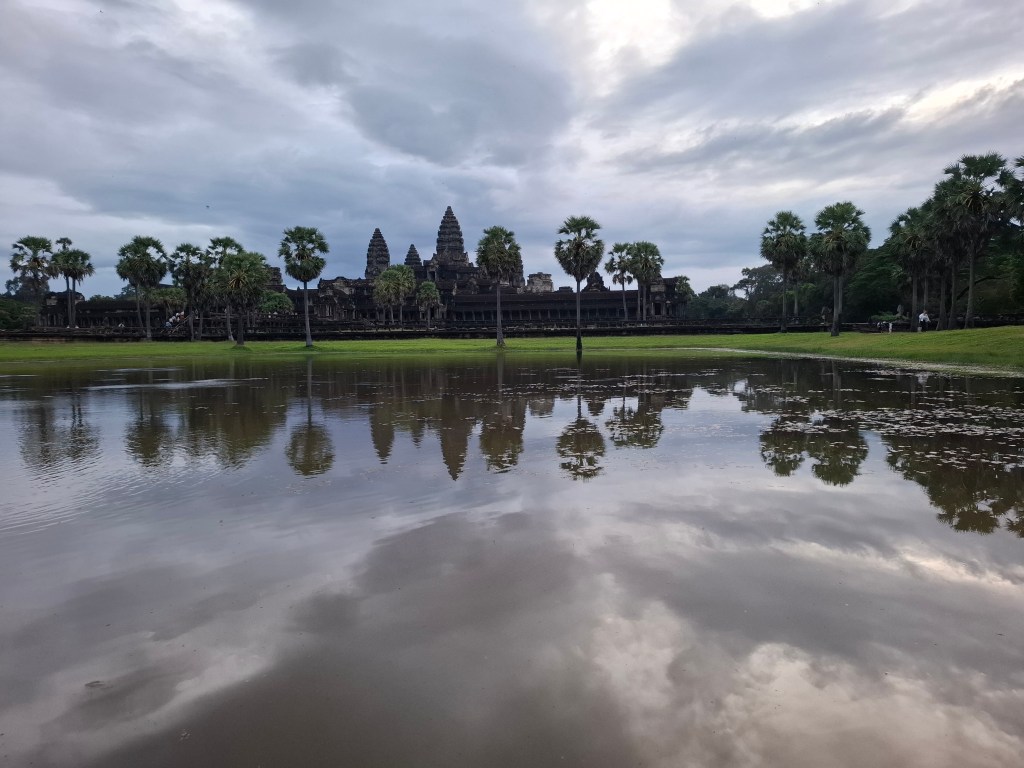
At 5am, Angkor Wat emerges as reds and ambers break through the sky. Interlocking rice fields calmly define the background as another day begins.
Sounds beautiful?
Yet this scene barely scratches the surface. Unfortunately, many backpackers visiting Southeast Asia either skip Cambodia or briefly stop by for Angkor Wat and then leave.
So how come I stayed in one city, Siem Reap, for almost seven weeks? Yet I now plan on returning because there is still much more to see, experience, and learn. I’ve created a sustainable Siem Reap itinerary, ideal for slow or solo travellers and those seeking a unique city break. Expect things to do in Siem Reap, solo travel advice, and things to be mindful of to ensure responsible travel.
Things to do in Siem Reap
Visit Cambodia’s Temples
Did you know there are over 1,000 temples in the Angkor Archaeological Park?
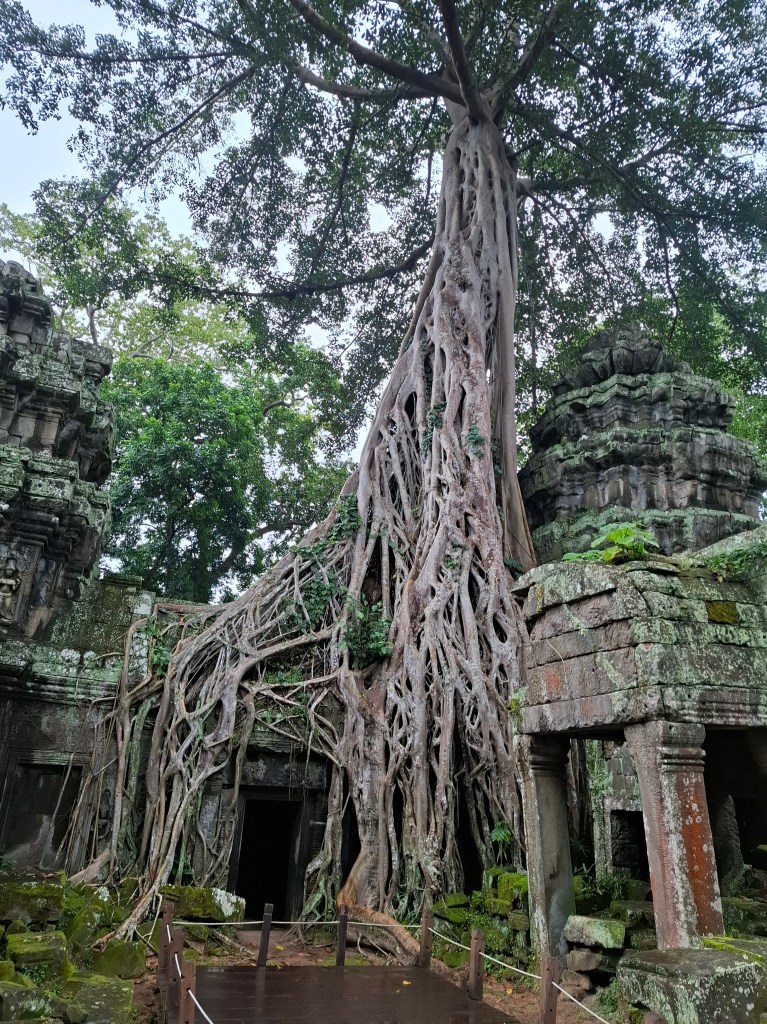
I booked a day tour to see Angkor Wat and some of the surrounding temples. The guide provided an engaging narrative of the history, significance, and Khmer culture.
If I were to revisit, I would purchase a three or seven-day pass to the park. I will never tick off all the temples, but it would have been worth visiting a few more. Plus, a couple of hours at Angkor Wat, with its captivating architecture, intricate carvings, and huge area, wasn’t enough time to absorb everything.
Visit a ‘Floating Village’ (but be mindful)
Visiting a ‘floating village’ is another popular activity in Siem Reap. Although the different villages and tour providers differ widely, I would be very selective when booking. Reviews of Chong Kneas and Meychrey mention scams, reptiles in small cages, and poverty tourism. This is where I made my mistake.
Uninformed, I wanted to visit a floating village—not to gawk at residents, but out of curiosity about a stilted village. I went to Kompong Khluk.
To begin with, everything was savoury. We trekked through the village on a boat, which didn’t get too close to people’s homes or anything. Yet later, we passed someone who asked me to buy notebooks and pens to subsequently ‘hand out’ to children in the village. Immediately, I questioned whether this was legit, having heard of other malignant practices, involving ‘good intentions’ that have occurred. Although I instinctively said yes, I was slightly uncomfortable saying no, but also hopeful that this would make a difference.
Ahead, the children sat, wrathfully waiting for the boat to pass, so they could forge a smile before they were allowed to get on with their day. I can only imagine that children in Cambodia work much harder than most children in the UK. So having to add tourist performances to their load must be a pain.
So, should we still visit a floating village?
Read this article to learn how to travel responsibly in Siem Reap’s floating villages. Kompong Khleng offers tours with local guides and donates to a local educational non-profit.
Book a countryside tour
Since 74% of Cambodia’s population lives in remote areas, you should certainly visit to get a glimpse into what life is like for many. The tour became one of my most memorable travel experiences to date. Many of the thoughts I expressed in the reflective post about Cambodia came from that day.
In contrast to the floating village tour, this did not feel exploitative. I booked the tour directly with a local guide, and we visited the local markets and sampled their rice wine. Rather than grabbing tacky notebooks and pens, I brought a delicious vegetarian breakfast from a local vendor and made a small donation to the shop that produced the wine.
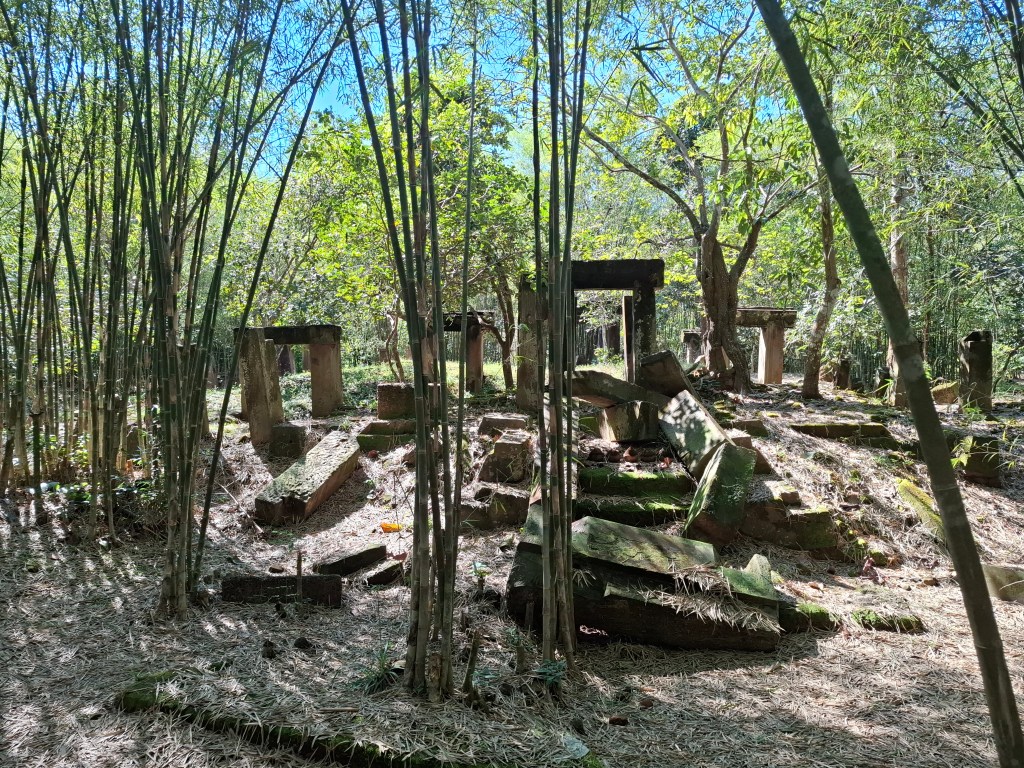
Experience Siem Reap’s night market
As you stroll through the night market, street food wafts through the air, and the sounds of cooking and chatter blend into one. The market might seem small, but as you head through interlocking corners, there is always more to explore. From convoluted jewellery pieces to immense canvas paintings.
Some of the stands were selling more generic tourist items, which I imagine weren’t crafted locally. So take time to explore before deciding what to buy (also worthwhile, since walking around the market is an experience in itself).
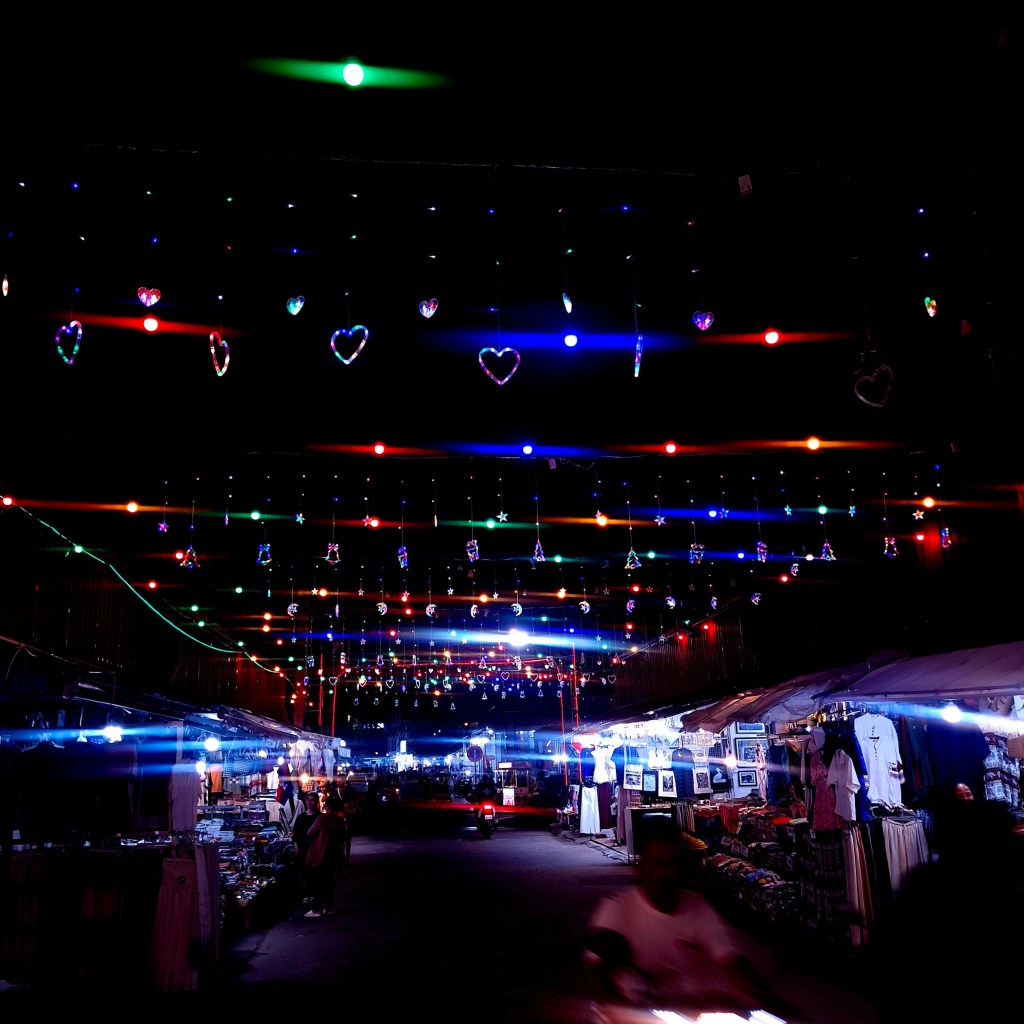
Visit Angkor History Museum
Besides an incredible interior and a broad range of ceramic art, the Angkor History Museum has a temporary exhibition featuring over 1000 Buddha statues. Before visiting, I thought I had some understanding of Buddhism, having studied it when I was younger. Although time and again I was proven wrong.
There was also an exhibition that provided extensive information about the history and construction of Angkor Wat. Learning this after visiting gave me more context about the temple, although visiting the museum first would have been equally meaningful.
I am not usually someone for sovereign shops, though the shop in the museum offered a vast collection of locally produced jewellery by an NGO that employs disadvantaged local women.
Visit Angkor Botanical Garden
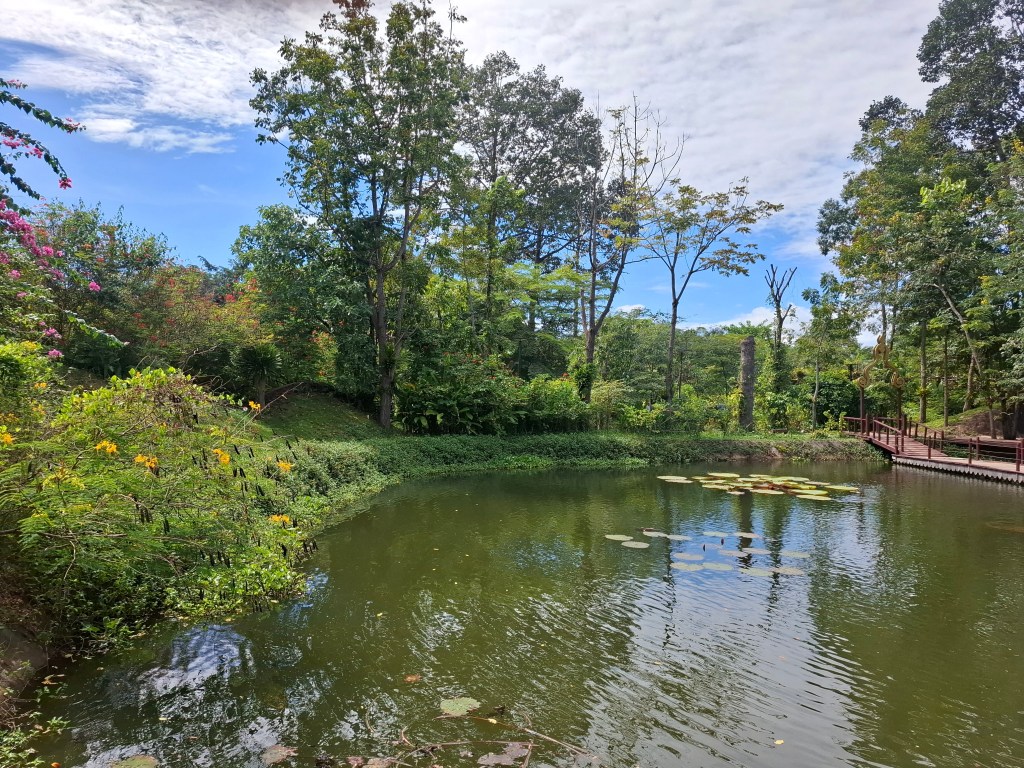
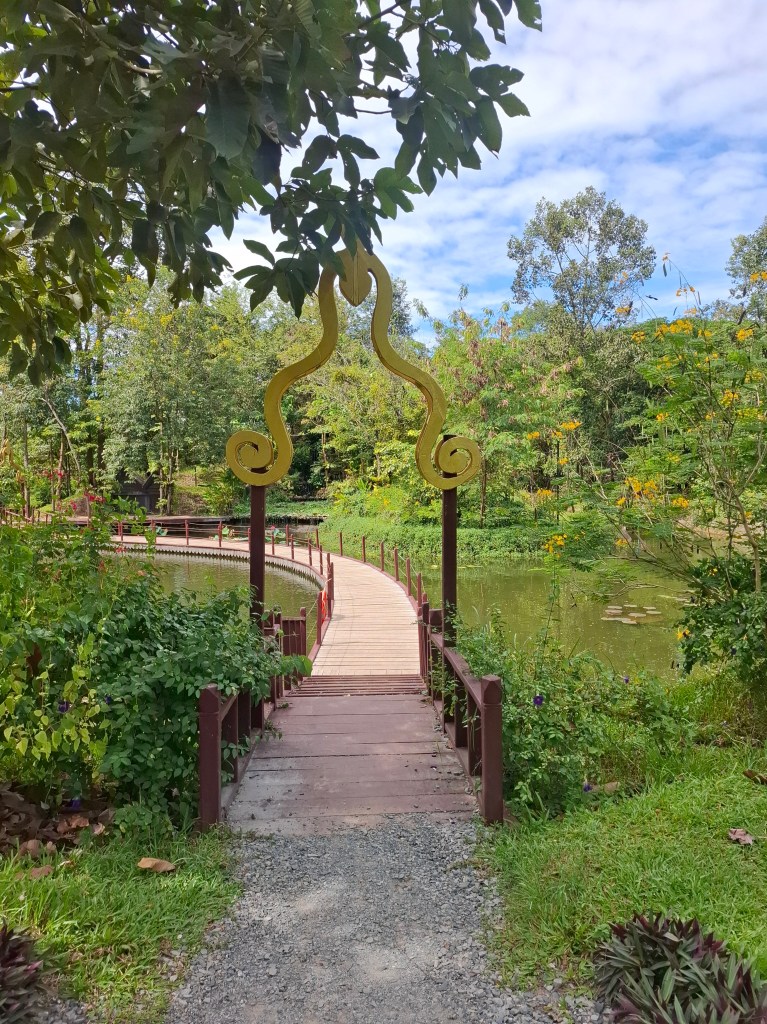
Located between Angkor Wat and the city centre, the gardens provide a perfect break between sightseeing. I stumbled across these gardens by chance because they were near my place. The garden has five sections and was built to conserve rare plants, educate visitors, and protect forest land. forest land.
I was impressed by the diverse range of plants and walking tracks. There is free entry, though you can make a small donation, stop for lunch in their café, or buy souvenirs or snacks from their shop.
Visiting during the water festival or Cambodia’s New Year’s
The water festival is usually in November and New Year’s in April; although dates vary each year.
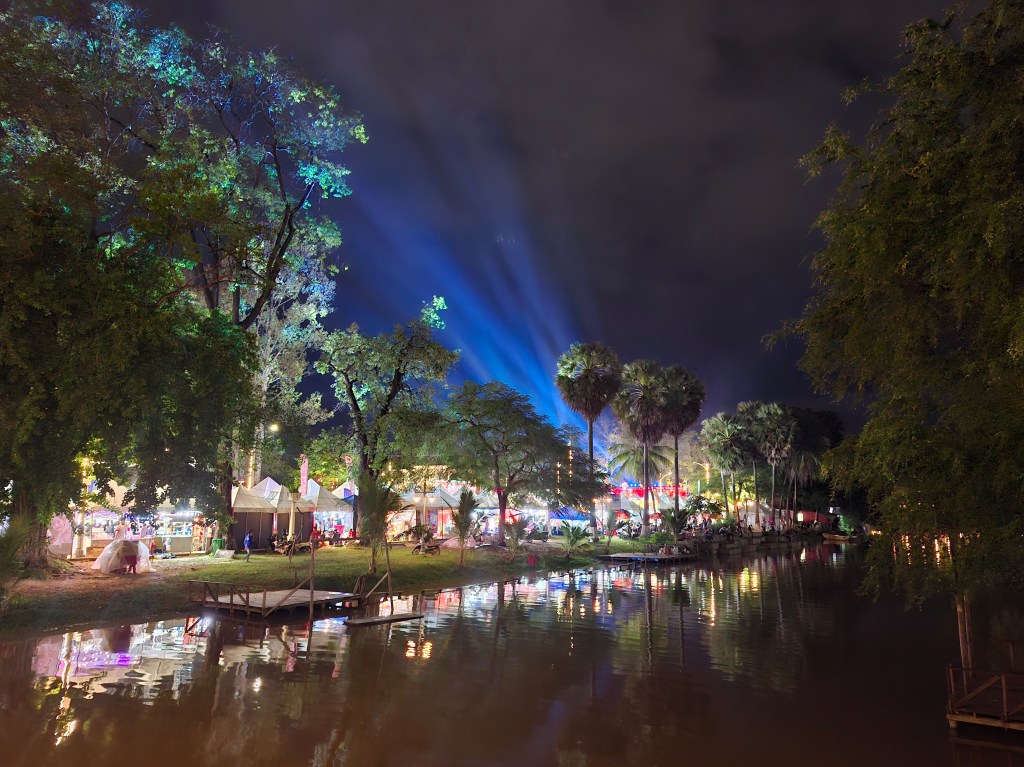
I visited during the Water Festival. The land, closed off for traffic, was filled with tents hosting musical performances. Multiple markets sold a vast range of street food. Below the lilac glow, canoes of all sizes lined the river. Some served elite racers. Others waited for tourists seeking a unique experience.
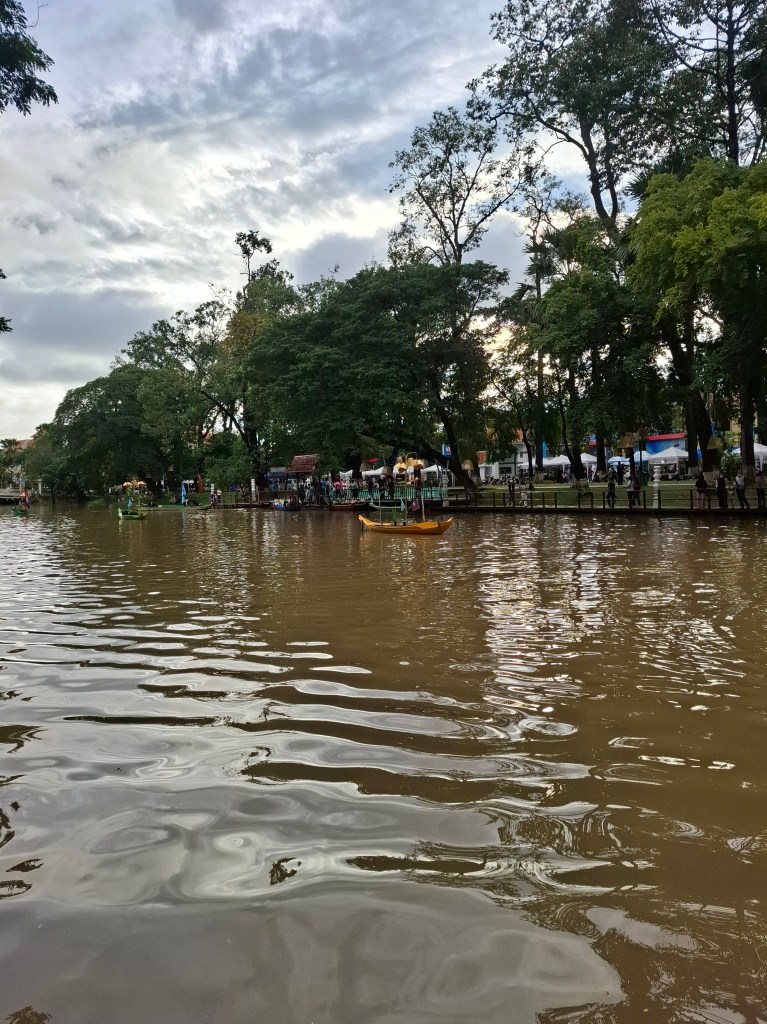
The festival is significant to Khmer culture. It symbolises new beginnings and reflects Buddhism. It is celebrated slightly differently in each province.
I’ve been told that their New Year’s is just as enjoyable, if not more. Water is thrown around. Apparently, it’s the time of year when Cambodians let their hair down the most.
Café Hop
Getting food in Siem Reap is easy, with chains, cafes, street vendors, and supermarkets. Street food includes Khmer cuisine, vegetarian dishes, and sweet treats.
Although I do not expect Western food when travelling, many locally run cafes and eateries operating as social enterprises serve it, along with popular Asian cuisine.
I have listed some of my favourite places to eat below:
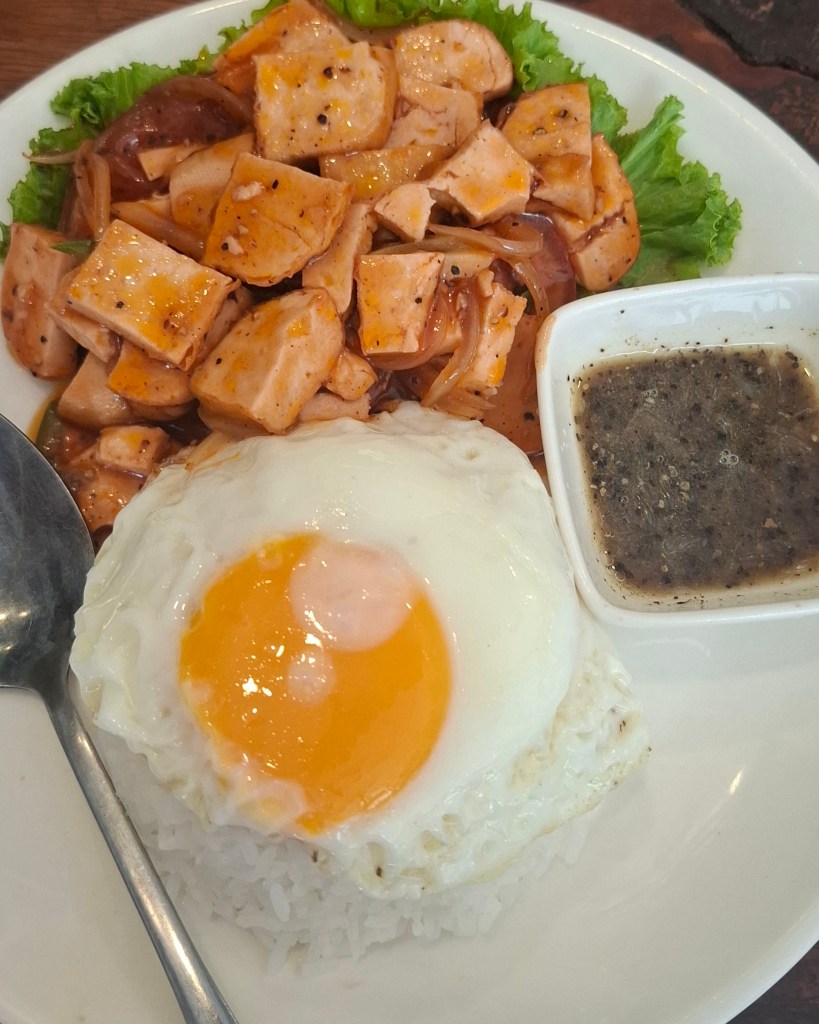
Peace Café: Vegetarian food from various cuisines. They host community events, run a fair trade shop, and employ locals from disadvantaged backgrounds
New Leaf Eatery: Good vegetarian options. They donate 20% of profits to a local NGO and split 15% with staff.
Little Red Fox Café: Apart from anything else, I rate their coffee and brunch. They also support community projects, train their staff for management roles, and are committed to sourcing locally.
Little Red Fox Café: Apart from anything else, I rate their coffee and brunch. They also support community projects, train their staff for management roles, and are committed to sourcing locally.
Tevy’s place: A locally run restaurant, offering both local and western food. It’s run by a Khmer woman (Tevy) and a guy from Northern Ireland, both of whom are super friendly. They also host group events!
Gelato Lab: Last but not least, Gelato Lab served top-notch gelato that was comparatively better than most gelato bars in Siem Reap. After a friend directed me to the place, I returned about three times over the next week.
Take a trip to another part of Cambodia
Siem Reap has much to explore, but there are many other places to visit in Cambodia. During my time, I visited Phnom Penh and Koh Rong.
Phnom Penh certainly felt more hectic than Siem Reap, but I discovered some wonderful cafes, magnificent temples, and the night market, where I was pleasantly surprised by the number of clothes that matched my style.
When in Phnom Penh, you should also visit the killing fields. Not for a jolly, but to immerse yourself in Cambodia’s history. The sightings brought the context to life. And whilst I usually detest audio guides, the narration was first-person. Additionally, there were stories from survivors that you could opt to listen to, with plenty of quiet yet ghastly areas for reflection.
Koh Rong was a popular beach destination, though nowhere near as busy, built up, or expensive as many other places are. The almost white sand squeaked below my feet as I trod through the beach. We went on an eight-hour boat tour. It included plenty of swim spots and whisky. We also visited Nestival. That was fun, although I preferred the time on the boat and exploring the beaches.
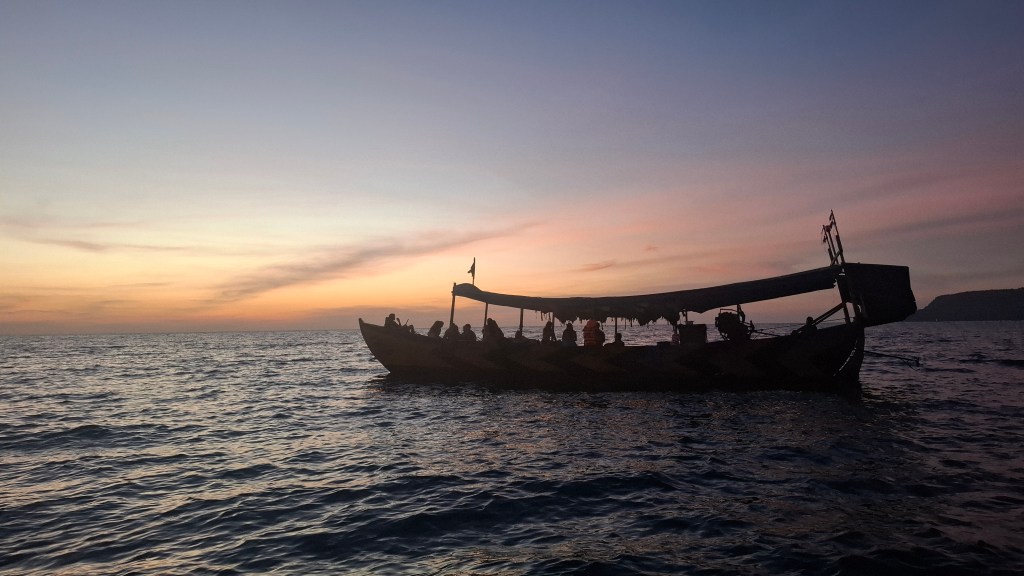
A number of resorts seem to be popping up, and part of me is concerned that it will lose its authenticity over time. I tried to find out whether ‘Nestival’ was locally owned, but the answer I got was arbitrary.
But hey! If I do return, I may explore more of Cambodia’s beaches and conduct more research.
Things I would have done if I’d had more time
Visit the ACOPO visitor centre
A visit to the ACOPO centre includes a tour by an expert guide. You will learn about Cambodia’s landmine history and how its giant rats sniff out landmines.
Visit Kulen Mountain
Photos of the views from the top, and the two waterfalls, looked incredible. There are numerous temples to discover, and the area is of historical and mythical significance. I believe that you can hike up, but you can ride up a significant way.
Visit Phare, the Cambodian circus
No animals involved here. Instead, it features and supports graduates of a Cambodian arts school.
Visit the Kulen Elephant forest
To see retired elephants roaming freely in a large area. No riding allowed. No tricks performed.
Is Cambodia solo travel friendly?
There was not a single point where I felt ‘unsafe’, even though I took multiple ‘tuk-tuks’ and sometimes walked alone in the evening. One individual made me feel slightly uncomfortable. I’m not sure whether he was trying to flirt with me or if he thought it was odd that I was a woman travelling alone. Either way, I think these experiences can happen anywhere.
Aside from that, I befriended other solo travellers and locals. The hostels that I stayed in were all very clean, sociable, and served good food. Although, unfortunately, not all of them are locally owned. I briefly stayed in Lub D when I first arrived in Siem Reap. Then I stayed in Onderz for a couple of nights in Phnom Penh (which also had a female-only dorm). Unfortunately, neither of these hostels is locally owned.
For the rest of my time, I stayed in Angkor Dino Homes and Siem Reap pub hostel- both owned by individuals/families in Siem Reap.
What to be mindful of when in Siem Reap
As I mentioned earlier, I made a couple of mistakes. When this happens, we should be gentle on ourselves- and others. It’s rarely intentional; it’s because we’re all still learning. So let’s highlight a few more things that travellers in Cambodia should be mindful of.
Don’t come with any particular expectation: Photos of Angkor Wat certainly look impressive, but there are multiple layers to learn and explore.
Support local: There are plenty of street food outlets, locally produced gifts, and businesses that give back. Usually, it’s easy to avoid chains, particularly in Siem Reap.
Avoid orphanages and school visits: Any trips to orphanages or local schools aren’t likely to truly benefit those there. Management in orphanages is very lucrative, and many who are there aren’t really orphans.
Finally, if you can, then spend longer than a few days there! Multiple locals told me in person that Cambodians want more tourists. Tourism hasn’t recovered from the plateau during covid, yet tourism in Thailand and Vietnam has considerably risen.
Have you ever visited Cambodia? If so, what surprised you most about it and why?
If you enjoyed this piece, you can subscribe to mindful solo-travel guides and reflections as I continue learning on the road. I also share more regular updates on Instagram, where I post ethical travel guides, informative posts, and personal posts.


 Empowering_Ethical_Travel
Leave a comment