
How do endless sunny evenings, daily sea swims, and intertwining pebble-painted paths sound? If you are anything like me, you will already be envisioning that first bite of Spanakopita oozing into your mouth as you perch comfortably in a sweet-smelling café. In front of you, the shimmering sea dances ahead as mountain edges stand mysteriously into the abyss.
However, when you factor in crowded streets, heavy traffic, and busy tourist spots, that idyllic image quickly shifts.
This guide explores Greek islands through a mindful, solo-travel lens- highlighting where to go, what to avoid, and how to travel more responsibly.
Context
- Corfu
- Naxos
- Paros
- Astypalea
- Rhodes
- Greek islands: Solo travel advice
- Greek islands through a mindful lens
1. Corfu
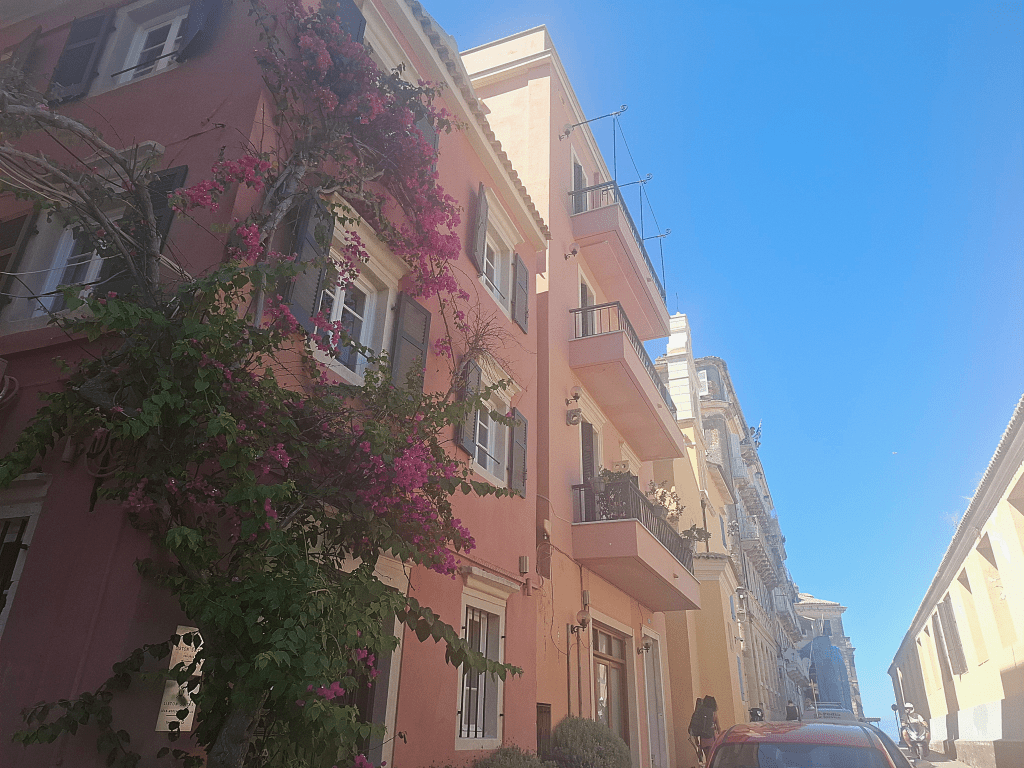
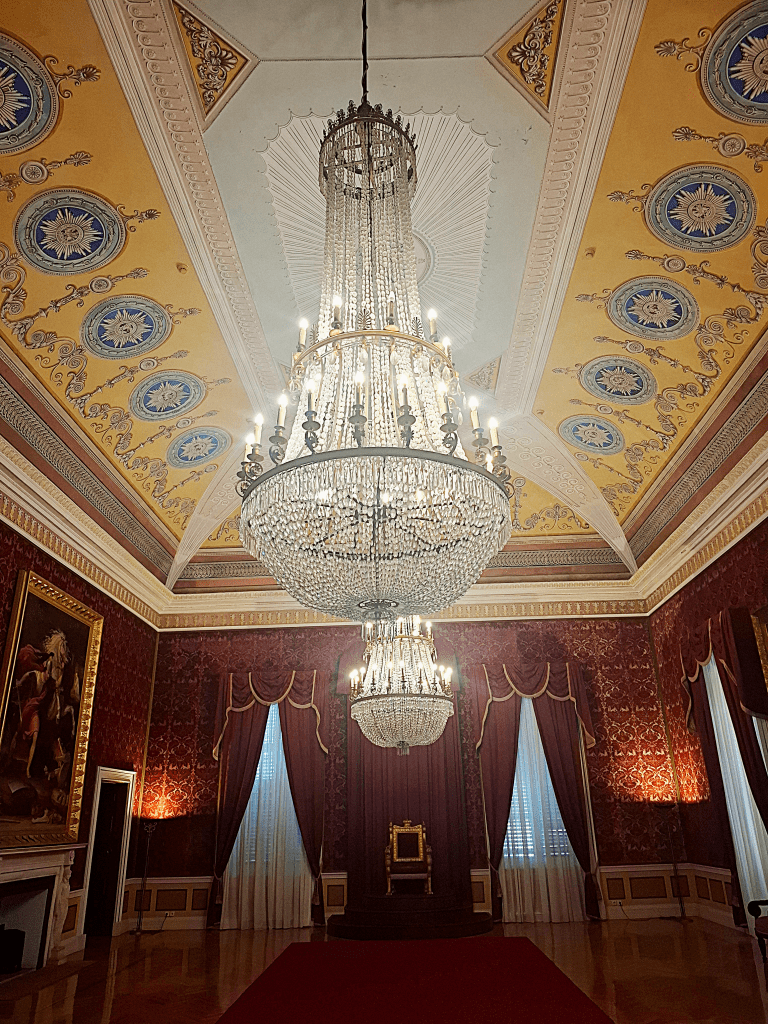
Corfu’s old town is a real charm- offering rich history, culinary delights, and hidden stretches of coastline. You can easily spend a morning exploring the town’s exquisite artisan shops, then head to their imposing fortress offering panoramic views of the summit. Amid a 42-degree heatwave, I escaped by visiting the Museum of Asian Art. I was fascinated by the exhibits and the history.
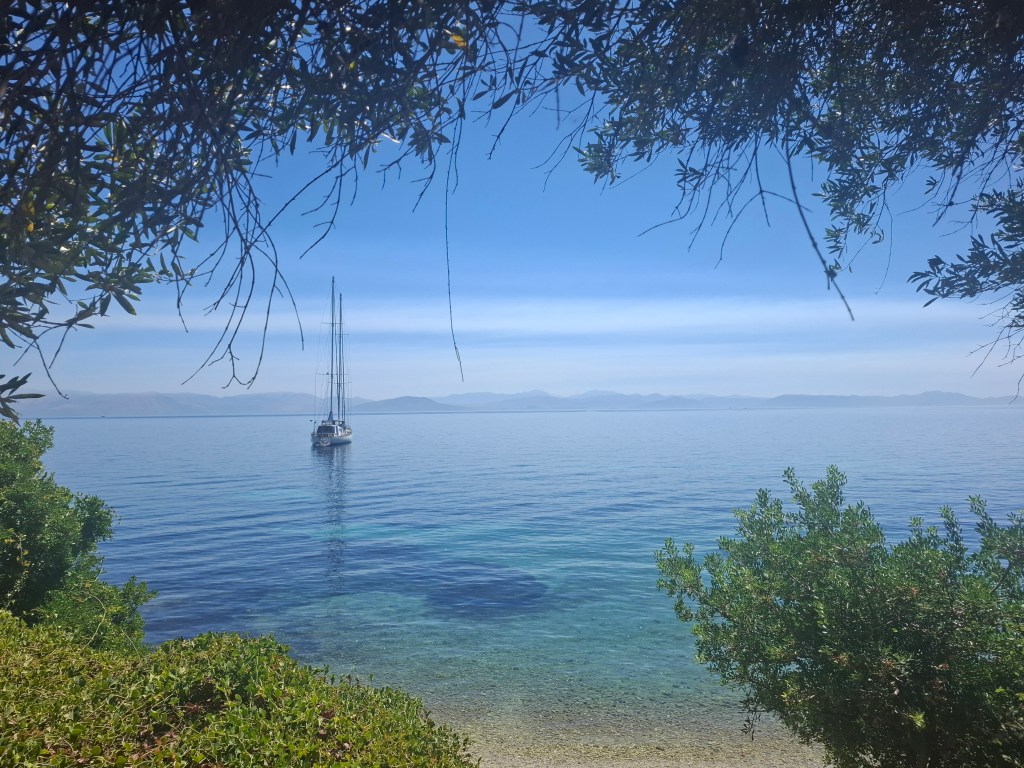
If you head away from the city centre, you will find calmer villages and secluded beaches to explore. Popular activities include rock-climbing, hiking, and wine tours. I visited Benitses, which offered a pleasantly calm atmosphere and untouched beaches if you venture away from the centre.
Corfu is well-connected by bus, so it is relatively easy to navigate. Although parts of the island were uncomfortably congested, including on buses and along some streets. It was also challenging to get a taxi. Judging by the number of couples and families compared to solo travellers and friendship groups, I felt that the island was more ‘for’ romantic getaways.
Should you visit?
Yes, Corfu is ideal for those interested in history, beach-hopping, and outdoor adventure.
Key Takeaways:
Visit Corfu outside the peak summer months to avoid crowds and support local life. Book accommodations early, and consider connecting with other solo travellers beforehand for a more enjoyable experience.
2. Naxos
As I arrived in Naxos late at night, all I could clearly see were the stars twinkling down onto the ocean.
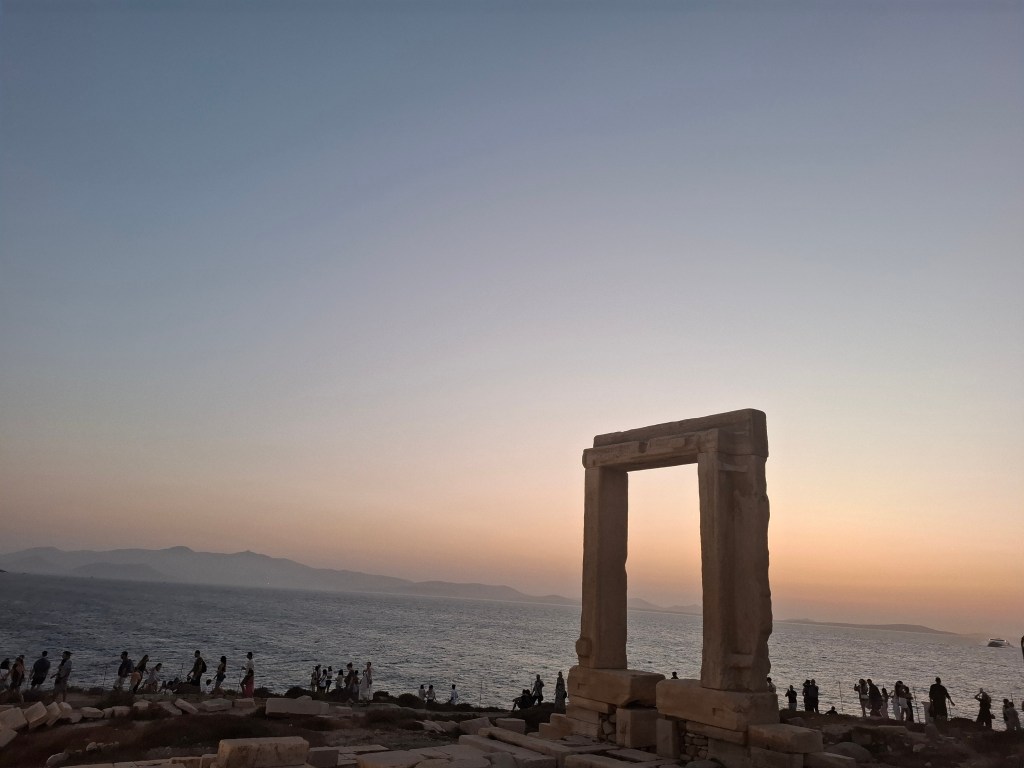
The following day was for exploration. A highlight was Portara, unmissable for anyone arriving in the centre by ferry. Go in the evening for the most captivating sunset, and meet fellow artisans on your way up. A less expected sighting was a pink lake I came across while scrolling along a beach just a few miles away. We visit places where others lead- and sometimes that’s okay. But often, the best sightings and experiences occur when we intentionally get lost to find something ourselves.
Naxos is renowned for its history, culture, and heritage- and there are tours to accompany this. I opted for the half-day tour and was taken to Panagia Drosiani, a significant Orthodox church, and to the charming village of Dalamas. Naxos is also home to Mount Zas, the highest peak, though it was rather hot during the summer. Naxos also offered ample opportunities to engage with the local community by attending locally led cultural workshops in cooking, marble art, and cocktails.
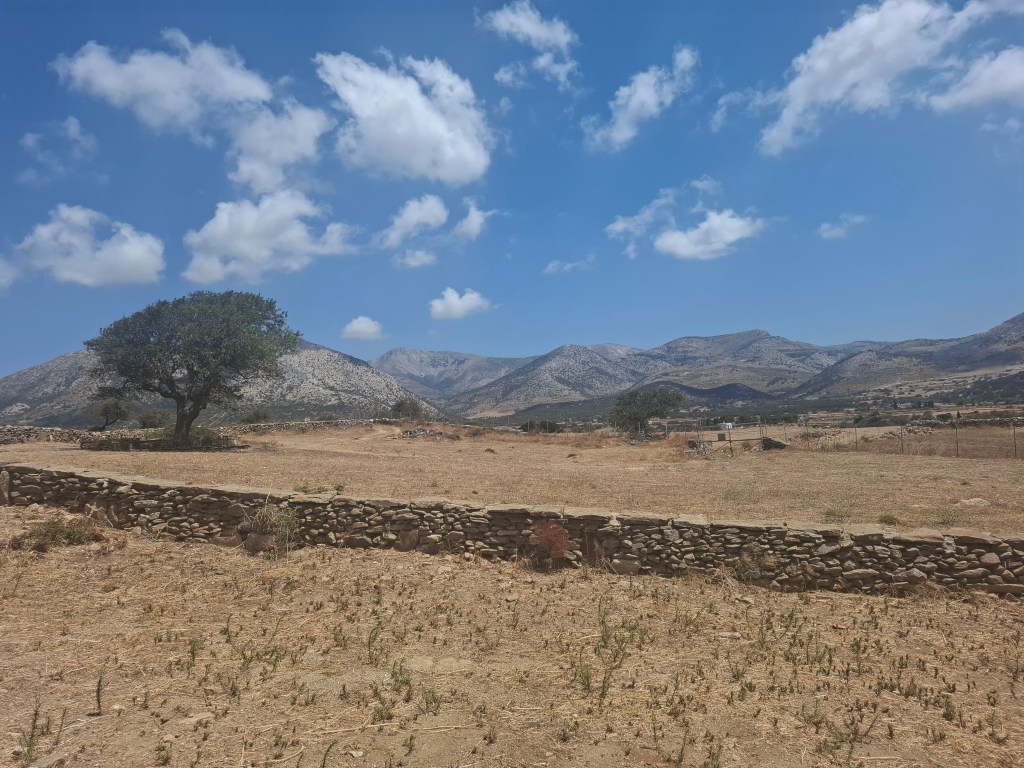
There seemed to be lots of solo travellers around, which made me feel much more comfortable in Naxos than in Corfu. Whilst the town was vibrant, it never felt overcrowded. And if you want to be somewhere more peaceful, simply stroll along the beach to find a more relaxing spot.
Should you visit?
Naxos is perfect for solo travellers and those wanti
Key takeaways:
Research public transport before exploring multiple areas, as services are limited, especially at night. Engage actively with locals through tours or local businesses to deepen your connection and understanding. Expect welcoming residents eager to share their culture.
3. Paros
People frequently ask whether they should visit Naxos or Paros. Whilst you can compare the two in terms of scenery, shopping, and gastronomy, the ‘vibe’ of the two couldn’t have been more different.
But let’s begin with the good stuff. The town and its vicinity offered ample opportunities for photography and sunset sea swims. Relying on my own intuition and Google Maps, I headed beyond there after learning that Paros offered some wonderful hiking areas. Whilst I enjoy exploring places, if you plan to hike a long way, I would suggest conducting some prior research. Long story short, I had no choice but to get my feet wet on the way back.
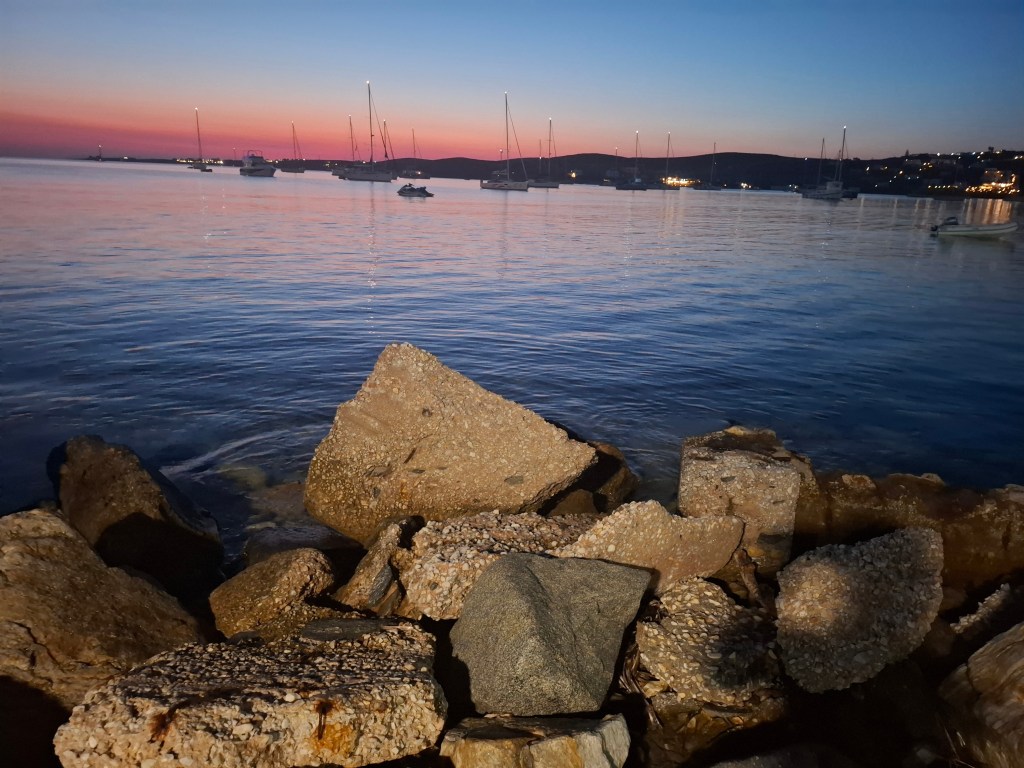
Like Naxos, the streets are alluring, there’s plenty to explore, and there are ample tours and activities. A popular one is a boat trip to Antiparos, but there are also many locally led workshops you can pick from.
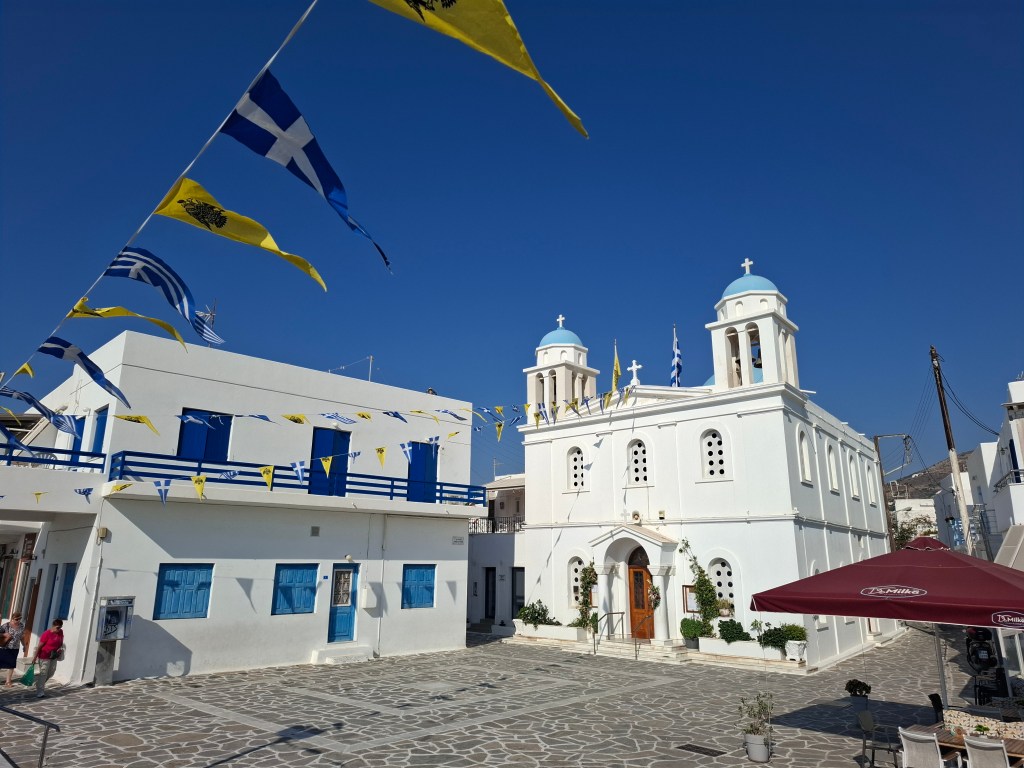
Yet being much less lively than Naxos, parts of the promenade felt ominous. Initially, I couldn’t put my finger on it. But maybe this sense became overly inflated because of other negative experiences. I recall one man being excessively friendly with me, then a male shop worker asking me invasive questions. These experiences are subjective, but they shaped how comfortable I felt as a solo female traveller. I don’t remember there being many solo travellers around, whilst I don’t believe there were many hostels. But if you stick to the busy areas, you’re likely safe.
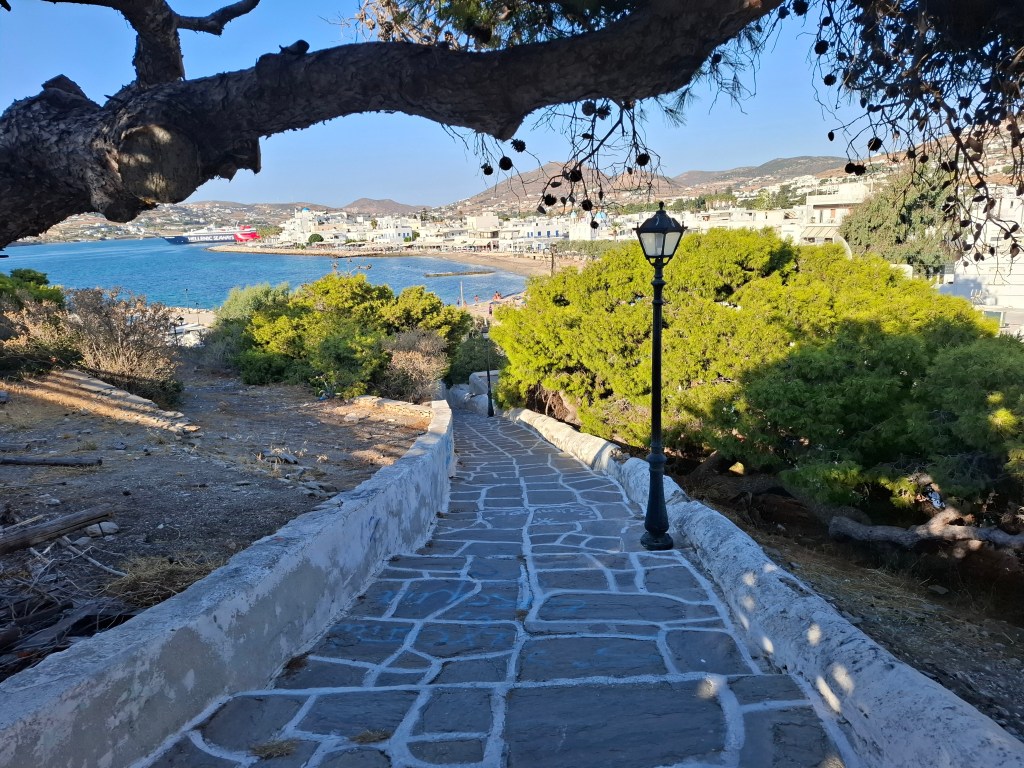
Should you visit?
If you’re a solo female traveller choosing between Paros and Naxos, I recommend Naxos. However, since there’s still plenty to explore, I’d enjoy returning with others.
Key takeaways:
Their beach gets sandier as you head along, and it also offers some of the best photo ops, so it’s certainly worth exploring. Whilst you are most likely safe, I’d be wary around the periphery and down the quieter lanes of the town centre.
4. Astypalea:
Arriving in Astypalea felt like coming out of a time capsule as I stepped off the ferry to soon join the rustic village. Undoubtedly, it was the quietest island I visited, with by far the highest local-to-tourist ratio.
You’ll find wonderful independent shops and local gourmets above their charming harbour. But be sure to explore beyond. As you head uphill, you will come across a row of iconic windmills. The display lured me in enough to return at night, where there was clearly an event on. I could wander into one of the windmills, which, inside, featured an exhibition of the island’s history and the opportunity to climb to the top. The castle situated at the island’s summit is undoubtedly worth visiting. As you head up, you will also stumble across a church and a graveyard.
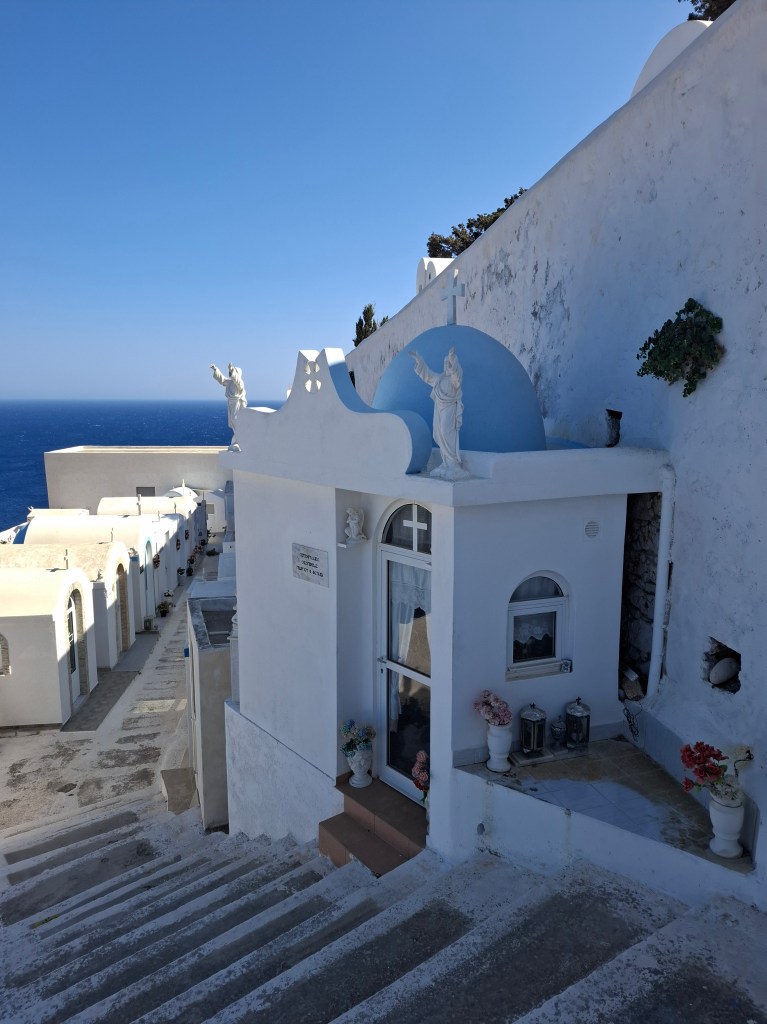
There is plenty more to do in Astypalea, particularly if you are an avid hiker or you enjoy visiting quieter places. Although the island is small, you will have little luck exploring on foot because of pavementless roads. Instead, I would strongly recommend hiring a bike or motorcycle. Or to be safe, check out their public transport– including the app ‘astymove‘ which allows for getting around the island on electric-powered vehicles.
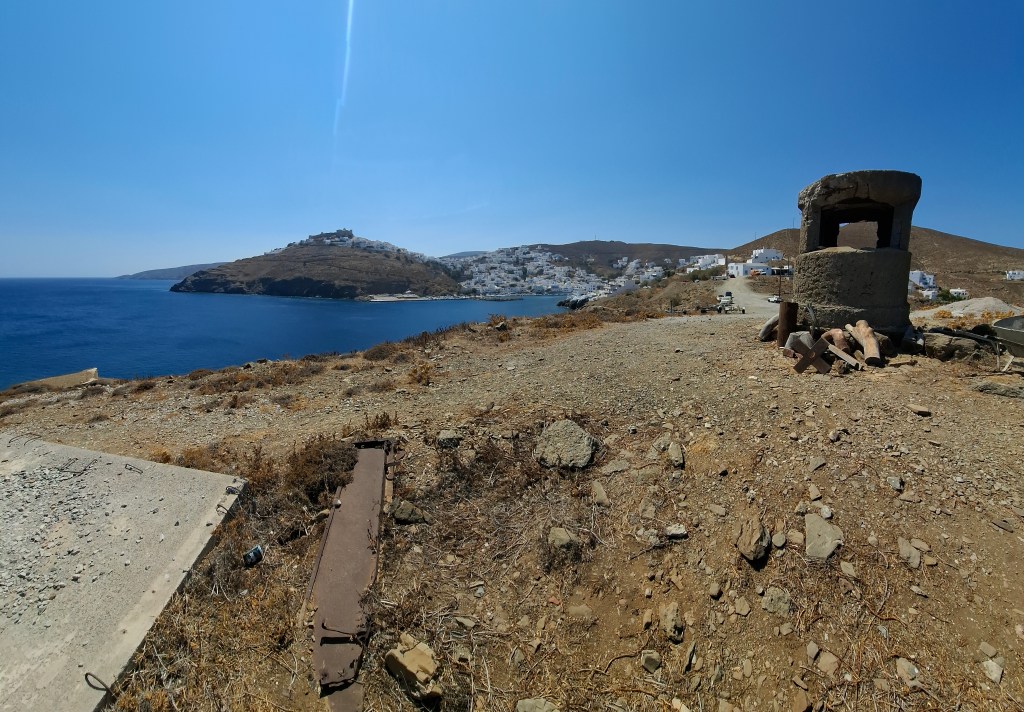
Astypalea is undoubtedly an island for anyone keen to travel sustainably, being a leader in renewable energy whilst encouraging residents and visitors to make more sustainable choices. It is also the perfect island to slow down, where you can be spared from the usual Greek island hustle in the summer.
As a solo traveller, it was perfect for a relaxing weekend. Personally, I wouldn’t have wished to spend any longer there alone because I can imagine it being hard to mingle with fellow travellers. But whether alone or with others, if you are looking for somewhere that’s calmer, quieter, and more authentic, I would certainly recommend it.
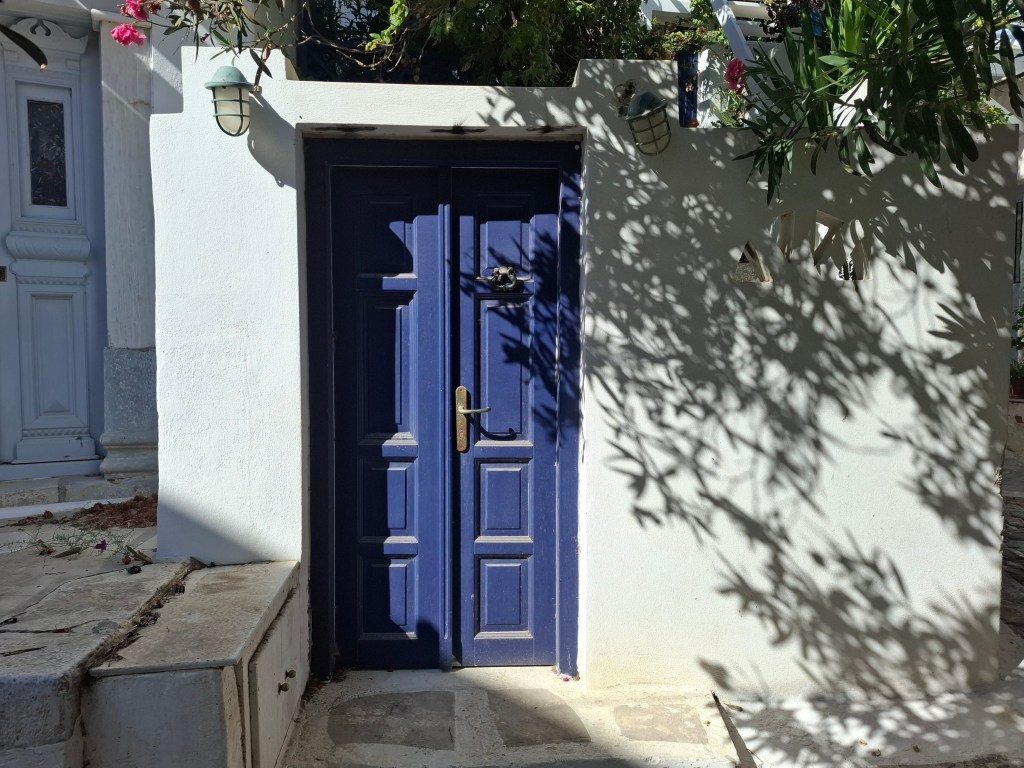
Should you visit?
Astypalea is ideal for those seeking authentic island life and sustainable travel. Solo visitors may prefer shorter stays due to fewer opportunities to connect with other travellers.
Experiencing Astypalea enabled me to gain experience and insight into local island life, without the tourism industry’s rampage painted all over the town.
Although I do want to stress that there are over 200 islands in Greece. So, research the lesser-known islands to find a place that’s ideal for you.
Key takeaways:
If you plan on spending more than a couple of days there, figuring out their public transport is a must, because the town centre offers less to explore than the other islands I visited. Given a higher local-to-tourist ratio, it is essential to be mindful that locals may be less accustomed to tourists.
5. Rhodes
If there were one Greek Island that had multiple sides to it, it would undoubtedly be Rhodes.
The old town is a refuge for all history lovers, and strolling through the stone walls is a unique architectural experience. Although secluded within the historical walls, parts of the town were much less classy. The new town features busier bars, modern hotels, and an unremarkable beach scene.
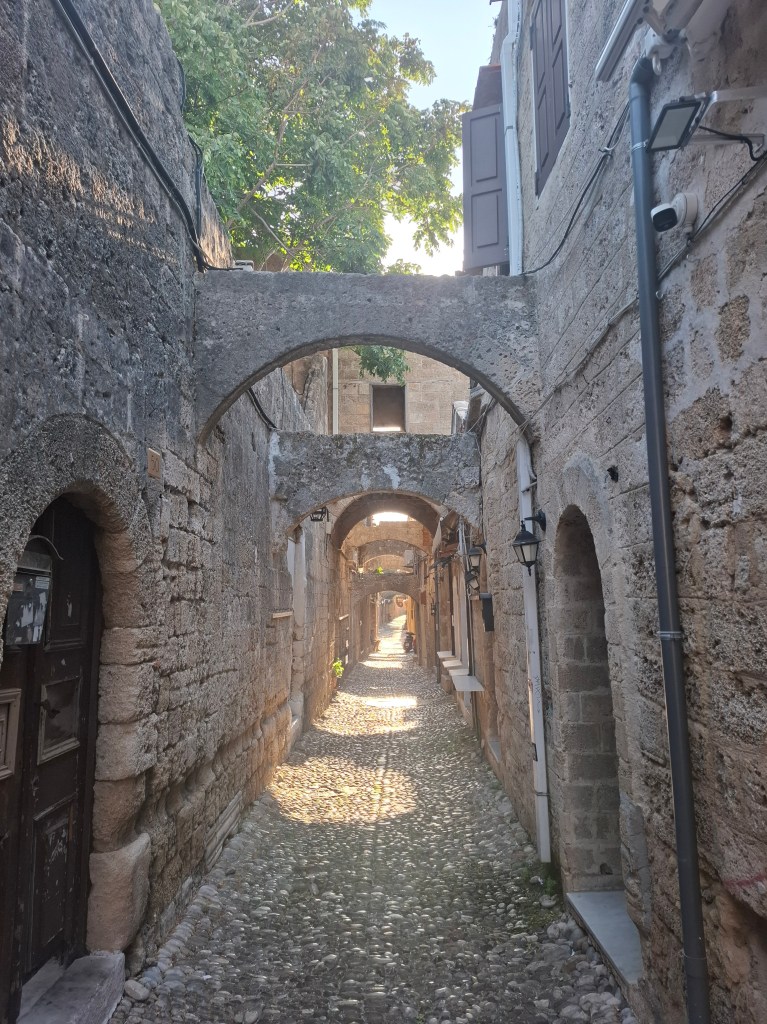
Thankfully, the centre is relatively easy to escape from. I went on an ethical dolphin watching tour with Blutopia Diving Centre. I also took a fast boat to Symi, an island vibrant in colour situated right by western Türkiye.
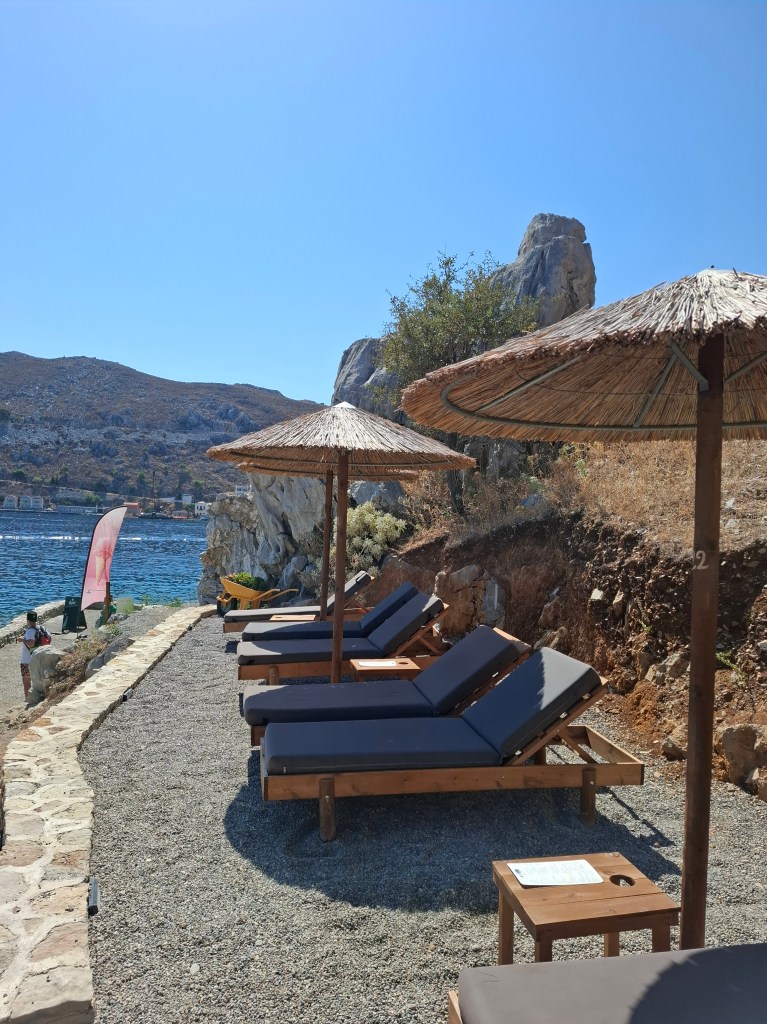
I didn’t spend the entirety of my time in Rhodes solo travelling, although Rhodes is ideal for solo travellers, with plenty of hostels and events to meet others. It is relatively easy to support locally run markets and restaurants in the old town, although beware of others that are mere tourist traps!
Should you visit?
I recommend visiting Rhodes if you are solo travelling, as it was easy to connect and I felt safe throughout my time there. But I would make time for visiting quieter areas of the island, and prepare yourself for some of the centre’s tackiness.
If you are looking to slow down for a few days, I’d personally consider a less ‘popular’ alternative. Perhaps nowhere replicates the old town, although many islands offer history that’s both fascinating and accessible.
Key takeaways:
In a way, Rhodes offers the best of both worlds. It’s ideal for solo travellers wishing to meet others, whilst, despite the tourist traps, there’s still plenty of charm.
Greek Islands: Solo-Travel advice
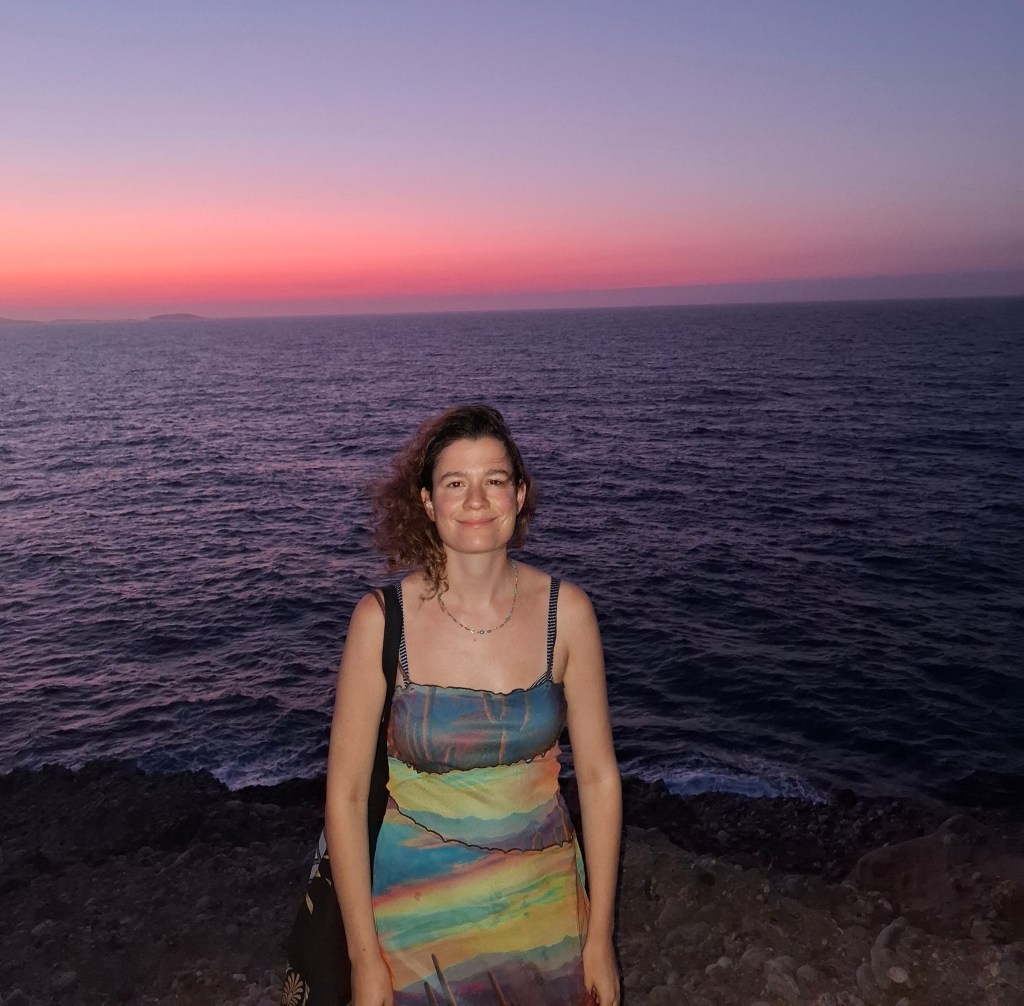
If you crave calm and solitude, escaping to the Greek islands is a dream. Still, if less captivated by scenery, shops, and beaches, you might feel isolated.
If returning, I’d either book sociable accommodation in advance or stay longer on one island. I’d also make more of an effort to explore beyond the island’s town centres by researching the public transport and making the most of local tours. Though I felt safe, stay alert. Create a fake family or boyfriend if asked about being alone, and say you’re meeting someone if needed.
The Greek Islands through a mindful lens:
Greece suffered immensely during the 2008 Financial crisis, and although the economy is recovering, inflation is outpacing wages, and unemployment remains high. Many of the islands rely on tourism, which is mainly seasonal, and some have higher poverty rates compared to mainland Greece.
Some islands experience overtourism in peak season. Consequently, this has led to uncomfortable crowding and rises in living costs. To reduce impact, seek quieter areas or go off-peak to avoid crowds, high prices, and intense heat. Many cafes, markets, and accommodations are owned by Greeks, so research to ensure that your money supports local communities.
My biggest mistake was visiting Greece in August! If I returned, I’d go in spring or autumn. Taxi drivers described summer as stressful and slow, and travel would be cheaper in the off-season.
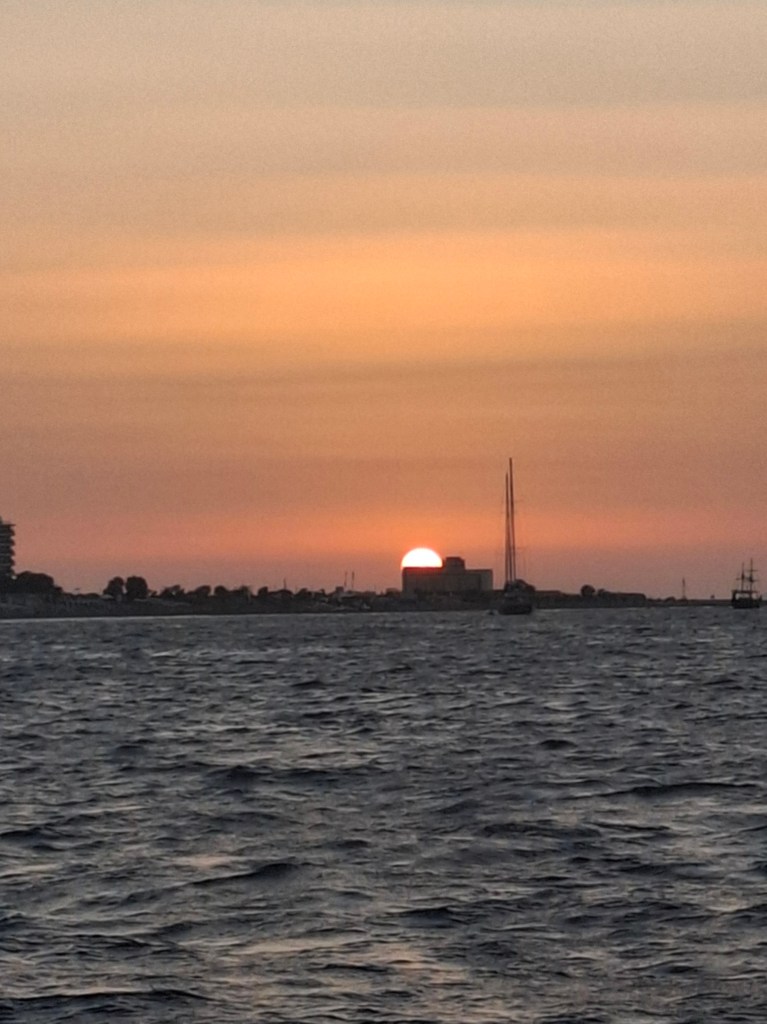
What Greek islands do you wish to visit? Share your favourites, featured here or not, in the comments below. I look forward to reading your thoughts!
If you enjoyed this piece, you can subscribe to mindful solo-travel guides and reflections as I continue learning on the road. I also share more regular updates on Instagram, where I post ethical travel guides, informative posts, and personal posts.


 Empowering_Ethical_Travel
Leave a comment